School Backpack Weight in 2026:
Safe Limits, Warning Signs & Top Picks
A heavy school backpack does more than slow kids down — it quietly damages growing spines. This guide covers every parent and teacher need: expert weight limits, posture red flags, packing strategies, and the lightest bags available this year.
What Is the Recommended School Backpack Weight?
Health professionals and pediatric specialists consistently recommend that a loaded school backpack should weigh no more than 10–15% of a child’s total body weight. For a 60-pound child, that means the packed bag should not exceed 6–9 pounds. Exceeding this threshold regularly can cause muscle fatigue, shoulder strain, and long-term spinal issues. Many districts in 2026 now align with the 10% rule as the safest benchmark for all school-age children.
Why School Backpack Weight Matters More Than Ever
Every school day, millions of children across the country sling a loaded school backpack onto their shoulders and walk through hallways, climb stairs, and board buses. What looks like a routine habit carries a genuine health risk. Research from orthopedic and physical therapy communities shows that heavy backpacks force children to compensate by bending forward, hiking one shoulder, or arching the lower back — all of which place abnormal stress on muscles and vertebrae that are still developing.
The problem has intensified in 2026 as digital learning tools — tablets, charging cables, and heavier textbooks — compete for space alongside traditional supplies. Many families invest in a quality best school backpack without realizing that the bag’s design and the weight loaded into it matter equally. A well-chosen bag can distribute weight correctly, but only if it carries a responsible load.

The Cumulative Effect on Growing Spines
Children carry their bags five days a week for roughly 180 school days a year. Even moderate overloading compounds over time. Pediatric physiotherapists note that the thoracic spine — the mid-back region — shows the earliest signs of strain, followed by the cervical curve of the neck. Parents who address school backpack weight early protect their children from chronic discomfort that can persist well into the teenage years.
2026 School Backpack Weight Guidelines by Age & Grade
No single weight limit works for every child because body weight varies widely within the same classroom. The table below translates the 10% rule into practical numbers for different age groups, giving parents a concrete target to check at home using a standard bathroom scale.
| Age Group | Grade Level | Avg. Body Weight | Max Bag Weight (10%) | Absolute Ceiling (15%) | Risk Level |
|---|---|---|---|---|---|
| 5–7 yrs | K–2nd | 40–55 lbs | 4–5.5 lbs | 6–8 lbs | Low |
| 8–10 yrs | 3rd–5th | 56–80 lbs | 5.6–8 lbs | 8–12 lbs | Moderate |
| 11–13 yrs | 6th–8th | 80–110 lbs | 8–11 lbs | 12–16 lbs | Moderate |
| 14–17 yrs | 9th–12th | 110–150 lbs | 11–15 lbs | 16–22 lbs | High if exceeded |
Weigh the packed backpack every Monday morning for two weeks. Most families are surprised to discover their child’s bag already exceeds the 10% threshold before a single extra item is added.
How to Weigh a School Backpack at Home
Weighing takes under a minute. Step on a bathroom scale while holding the packed bag, note the number, then step on without it and subtract. The difference is the bag’s loaded weight. Compare that number to the child’s body weight and calculate the percentage. A school backpack sitting at 12% is manageable for one heavy day; routine loads above 15% require immediate action.
Warning Signs That a School Backpack Is Too Heavy
Children rarely articulate back pain in medical terms. Instead, they show behavioral and physical cues that parents and teachers can learn to recognize. Catching these signals early prevents minor muscle fatigue from becoming a structural problem.

🚨 Physical Warning Signs
- Leaning forward when walking
- One shoulder noticeably higher than the other
- Red marks or soreness on shoulders after school
- Numbness or tingling in arms or hands
- Complaints of neck or upper back stiffness
- Hunched posture even without the bag
✅ Behavioral Warning Signs
- Refusing to carry the bag and asking for help
- Dropping the bag immediately upon reaching home
- Avoiding extracurricular activities due to fatigue
- Frequent headaches, especially at the base of the skull
- Wincing or hesitating when lifting the bag
- Complaining that the walk to school “hurts”
If a child consistently reports tingling, numbness, or shooting pain down the arms, consult a pediatrician or orthopedic specialist immediately. These symptoms can indicate nerve compression that worsens without intervention.
Smart Packing Tips to Reduce School Backpack Weight
Reducing the load does not require leaving essential items at home. It requires smarter organization. The following strategies help families cut surprising amounts of weight without sacrificing readiness.
1. Audit the Bag Weekly
Empty the school backpack completely every Friday. Remove broken pencils, accumulated handouts, forgotten water bottles, and any items that belong at home rather than in school. Labeling supplies with liquid chalk markers makes it easy to identify what belongs in the bag each day. Many children carry two to three pounds of unnecessary weight simply because the bag never gets fully emptied. A weekly reset takes five minutes and instantly drops the carried load. Consider switching to personalized backpacks for kids with dedicated compartments that prevent overpacking.
2. Use Digital Alternatives
In 2026, most schools support digital submission of assignments and distribute reading materials through tablets or school portals. Check with teachers about which textbooks have digital equivalents. Replacing even one heavy hardcover with a digital version can reduce school backpack weight by a full pound.
3. Pack Heaviest Items Closest to the Back
Weight placement inside the bag matters as much as total load. Heavier items — tablets, thick binders, lunch containers — belong in the compartment closest to the child’s spine. This placement keeps the center of gravity aligned with the body, reducing the forward pull that strains the lower back. Lighter items like folders and stationery go in outer pockets.
4. Choose a Two-Trip Locker Strategy
Middle and high school students who have access to lockers should split their load between morning and afternoon subjects. Carrying only the books needed for the next three periods — rather than the full day — halves the effective carried weight on any given walk.
5. Switch to a Rolling Backpack on Heavy Days
For days with science projects, musical instruments, or sport gear, a rolling bag eliminates spinal loading entirely. For outdoor and water activity days, check the best snorkel gear for kids to plan the lightest possible carry. Many families keep both a standard school backpack for light days and a wheeled option for heavy loads. Browse the backpack for summer guide for lightweight picks that transition between school and outdoor use. Explore curated picks in the complete school backpack guide to find the right combination for different needs.
Remove yesterday’s lunch container ✓ | Drop any book not needed today ✓ | Empty loose change and accumulated receipts ✓ | Use a lightweight stainless bottle instead of glass ✓ | Switch PE shoes to a separate tote ✓
Top Lightweight School Backpacks for 2026
Selecting the right school backpack starts with the bag’s own empty weight. A heavily padded bag that weighs 2.5 lbs before anything goes in steals a significant portion of the child’s safe load allowance. The picks below prioritize lightweight construction without sacrificing durability, organization, or ergonomic support. Browse the full backpack for school 2026 roundup for even more options.

Inateck Slim School Backpack
Ultra-lightweight nylon shell with padded laptop sleeve. Ideal for older students who carry tech.
Empty: ~1.2 lbs View on Amazon →
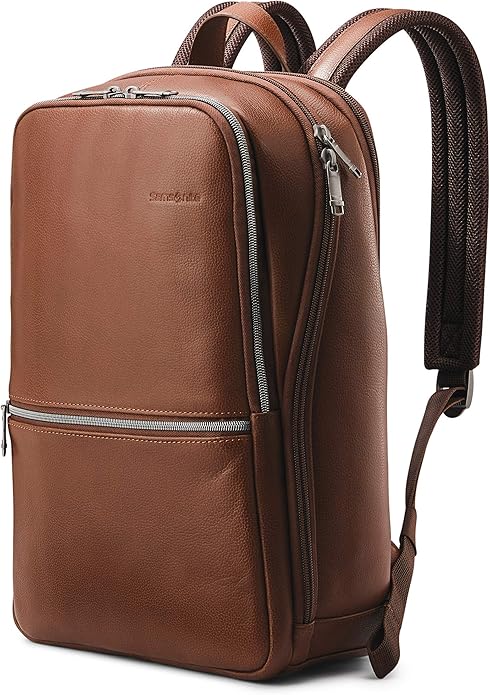
Samsonite Ergonomic School Bag
Air-mesh back panel and contoured shoulder straps that actively redistribute loaded weight.
Empty: ~1.5 lbs View on Amazon →
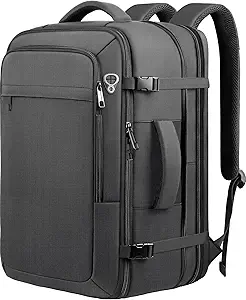
Matein Travel School Backpack
USB charging port and multiple compartments keep supplies organized with zero added bulk.
Empty: ~1.3 lbs View on Amazon →
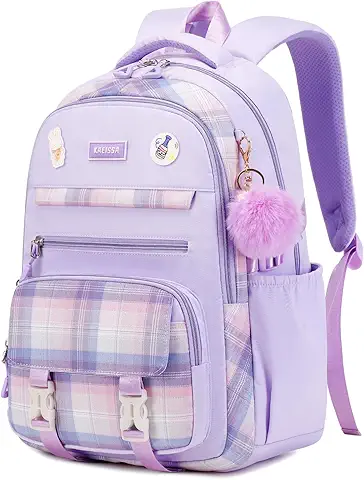
Girls Padded Strap School Bag
Wide padded shoulder straps with chest clip distribute weight evenly for younger students.
Empty: ~1.1 lbs View on Amazon →
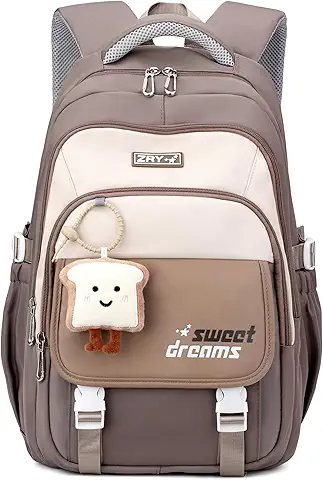
Kids Structured Back-Panel Bag
Rigid internal frame card transfers loaded weight to hips, protecting the lumbar spine.
Empty: ~1.4 lbs View on Amazon →Browse the full collection of curated options at KidsNSchool Backpacks or explore seasonal selections like the best backpack for summer 2026 for activity-focused lightweight picks.
School Backpack Buying Guide: What to Look for in 2026
Choosing the right school backpack involves more than picking a favorite color or brand. Teachers and adult students can also check out the backpack for school women guide for professional-grade options. The structural features of the bag itself determine how well it manages weight and protects the child’s posture throughout the school day.
Padded Shoulder Straps
Thick, contoured, and adjustable shoulder straps spread the bag’s load across a wider surface area, reducing pressure on any single point. Straps should be at least 2 inches wide for elementary-age children and have a chest strap to prevent the shoulder straps from sliding off. Never choose a bag with thin, rope-like straps regardless of how light the bag claims to be.
Padded Back Panel with Air Channels
A structured back panel that matches the natural curve of the spine reduces forward lean. Air-channel panels add ventilation, preventing the discomfort that makes children shift the bag to one shoulder — the most harmful carrying habit. Many premium school backpacks in 2026 include ergonomically contoured foam panels that score well in independent comfort testing.
Hip Belt and Sternum Strap
For children carrying heavier loads — particularly middle and high school students — a hip belt redirects a significant portion of the bag’s weight onto the pelvis rather than the spine. A sternum strap prevents the shoulder straps from spreading apart under load. Both features were previously reserved for hiking packs but now appear in quality school backpack designs. Educators carrying heavier loads should explore the best backpacks for teachers 2026.
Size Proportional to the Child
A school backpack that hangs lower than the child’s waist or extends above the shoulders indicates a poor fit. The bag should sit within the curve of the lower back and rest two inches above the waist. Most reputable manufacturers provide a sizing guide correlated to torso height rather than age — use those numbers when ordering online.
Materials That Keep Weight Low
Ripstop nylon and high-denier polyester offer excellent durability at lower weights compared to canvas or leather. Avoid bags with heavy decorative hardware, excessive zipper pulls, or reinforced bottom panels that add ounces without adding function. Every ounce of empty bag weight counts toward the child’s 10% limit. The Amazon Basics travel laptop backpack is one popular lightweight option worth comparing.
Wide padded straps ✓ | Sternum clip ✓ | Air-mesh back panel ✓ | Multiple compartments for weight distribution ✓ | Lightweight fabric under 1.5 lbs empty ✓ | Reflective strips for safety ✓
For a deeper breakdown of features by school level, visit the KidsNSchool complete school backpack guide, or browse laptop backpacks for women for slim, lightweight designs, which covers preschool through high school with detailed product comparisons.
Frequently Asked Questions About School Backpack Weight
These are the questions parents, educators, and pediatric health professionals ask most about managing school backpack weight in 2026.
How much should a school backpack weigh for a 10-year-old?
A 10-year-old typically weighs between 60 and 80 pounds. Applying the 10% rule, the loaded school backpack should weigh no more than 6 to 8 pounds. Most doctors accept up to 10 pounds as a reasonable ceiling for this age group, provided the bag is worn correctly with both straps and the weight is distributed inside the bag properly.
What is the maximum safe backpack weight for high school students?
High school students typically weigh between 110 and 150 pounds. The recommended maximum loaded school backpack weight ranges from 11 to 15 pounds using the 10% rule. Students routinely exceeding this limit should explore digital alternatives for heavy textbooks, use lockers for subject rotation, or switch to a bag with a hip belt that transfers load away from the spine.
Can a heavy school backpack cause permanent back damage?
Prolonged overloading during childhood can influence spinal curvature development and contribute to chronic muscle tension and early disc compression. While a single heavy day is unlikely to cause lasting harm, consistently carrying an overloaded school backpack through the school year — especially during growth spurts — creates cumulative strain. Families should treat backpack weight as a routine health habit, not a one-time concern.
Is a rolling backpack better for kids?
Rolling backpacks eliminate spinal loading entirely, making them excellent for heavy days or children who already experience back discomfort. The limitation is practical: many school environments have stairs, crowded hallways, and outdoor terrain where wheels are inconvenient. A hybrid approach — standard school backpack for typical days, rolling option for heavy load days — gives the best of both solutions.
What is the lightest school backpack available in 2026?
The lightest quality school backpacks in 2026 use ripstop nylon or ultralight polyester and weigh between 0.9 and 1.4 pounds when empty. Brands focusing on travel-grade lightweight construction — such as those listed in this guide — consistently hit under 1.5 lbs. Always verify the empty weight listed in product specifications rather than relying on general brand reputation.
How do you weigh a school backpack without a scale?
A simple bathroom scale method works well: step onto the scale holding the fully packed bag, record the total weight, then step on again without the bag and subtract. The difference equals the bag’s loaded weight. Most pharmacies, grocery stores, and doctor’s offices also have accessible scales. Alternatively, luggage scales designed for travel bags provide accurate readings for under ten dollars and can be reused throughout the school year.
Should a school backpack sit on the hips or shoulders?
Ideally, a properly fitted school backpack rests on both simultaneously. The shoulder straps should be snug but not pinching, with the bag’s base sitting about two inches above the waist. When a hip belt is present, 60–70% of the bag’s weight should shift to the hips, leaving the shoulders to stabilize rather than fully bear the load. This two-point distribution is the most ergonomically sound carry method available without upgrading to a full hiking pack frame.
The Bottom Line on School Backpack Weight in 2026
Managing school backpack weight is one of the most actionable steps families can take to protect children’s spinal health. The 10% rule gives a clear, measurable target. Weekly bag audits, smart packing habits, ergonomic bag choices, and awareness of warning signs transform a potential daily health risk into a non-issue. The school backpacks highlighted in this guide prove that lightweight and durable are no longer competing qualities — the best options in 2026 deliver both.
Start with the bathroom scale this week. Weigh the packed bag. If the number exceeds 10% of the child’s body weight, use the strategies in this guide to bring it down. Small, consistent changes make a measurable difference over the course of a school year.
For more curated guidance, explore the kids backpack deals and the full backpack collection at KidsNSchool, check out the perfect backpack for school guide and the detailed school backpack buying guide, or discover lightweight options for warmer months in the summer backpack roundup. For casual daily carry, explore our tote bag for women and canvas tote bags guides.
Related Reading & Resources
Explore more guides from KidsNSchool to help choose the right gear for every student: