As an Amazon Associate, we earn from qualifying purchases. How we make money
The school-year edit · 2026
Smart supplies for better learning.
Practical recommendations for the things students reach for every day — thoughtfully sorted to make the next school year feel a little more put together.
We focus on everyday items that earn their place in a backpack, a desk drawer, or a teacher’s supply cupboard. If a retailer link earns us a commission, it never changes our perspective.
01 / LOOK
Start with a real need
We organize around practical school-day problems, not a retailer’s sales calendar.
02 / COMPARE
Prioritize the details
Build quality, practical design, value, and clear use cases lead every selection.
03 / EXPLAIN
Say who it’s for
Each recommendation makes its trade-offs clear so you can choose with confidence.
Make back-to-school feel less chaotic.
Explore our most useful school supply guides and start building a better everyday setup.
Find the right backpack for school, college, work, travel, or everyday use. Learn how to compare size, fit, materials, comfort, compartments, durability, and useful features before you buy.
Affiliate disclosure: Some product links may earn a commission from qualifying purchases at no additional cost to you.
QUICK ANSWER
How to choose a backpack
To choose the right backpack, start with how you will use it. Select a suitable capacity, check that it fits your body, and look for comfortable padded straps, durable material, practical compartments, and reliable zippers. A school backpack should be lightweight and easy to organize, while a travel or work backpack may need laptop protection, extra capacity, and weather-resistant construction. Always try the backpack on, if possible, before purchasing.
Step 1 · Identify your needs
Choose a backpack based on how you will use it
The best backpack is not necessarily the biggest or the one with the most pockets. It is the one that carries your everyday essentials comfortably and suits your routine. Before comparing designs, make a list of what you normally carry and where you plan to use the bag.
FOR STUDENTS
School and college backpack
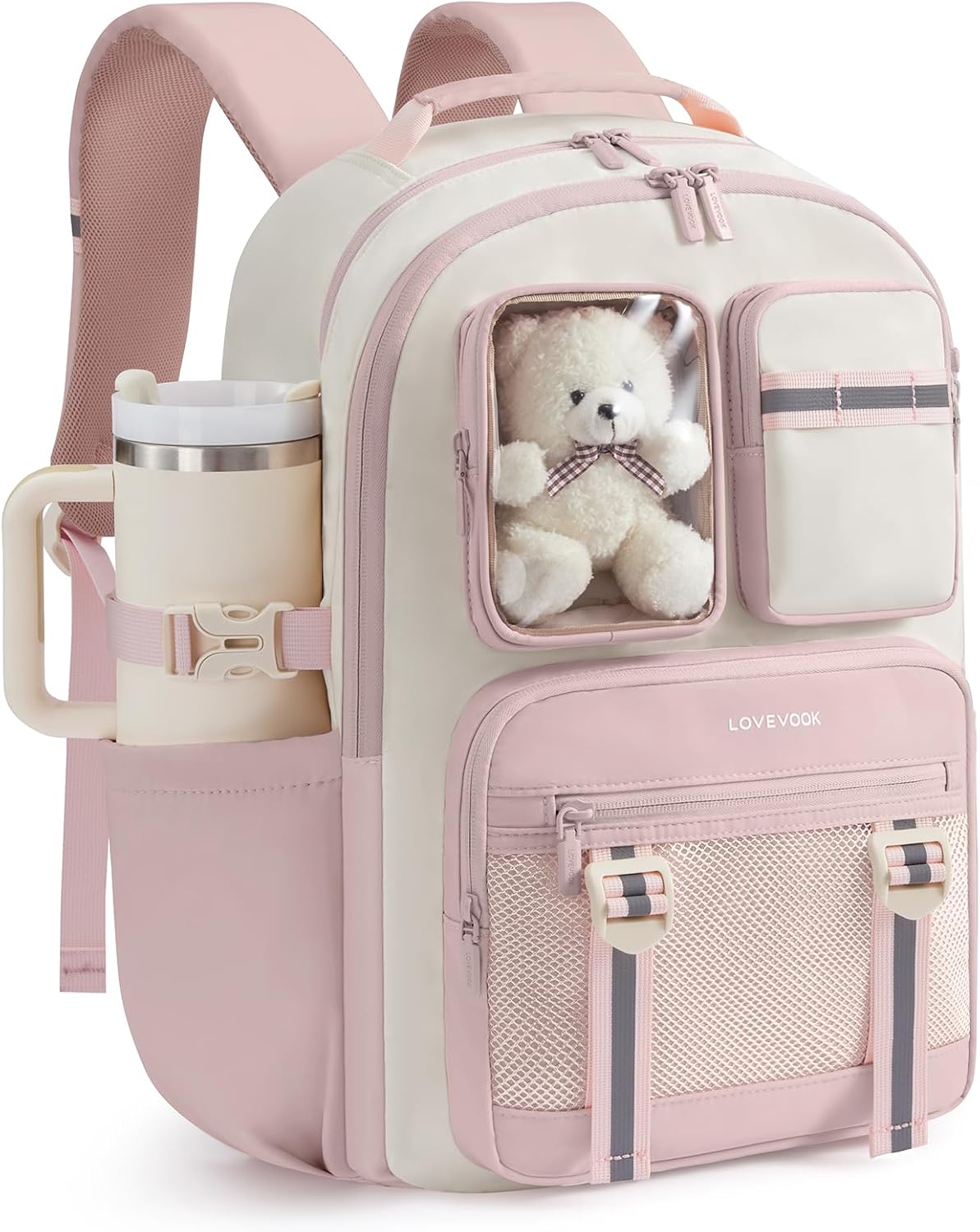
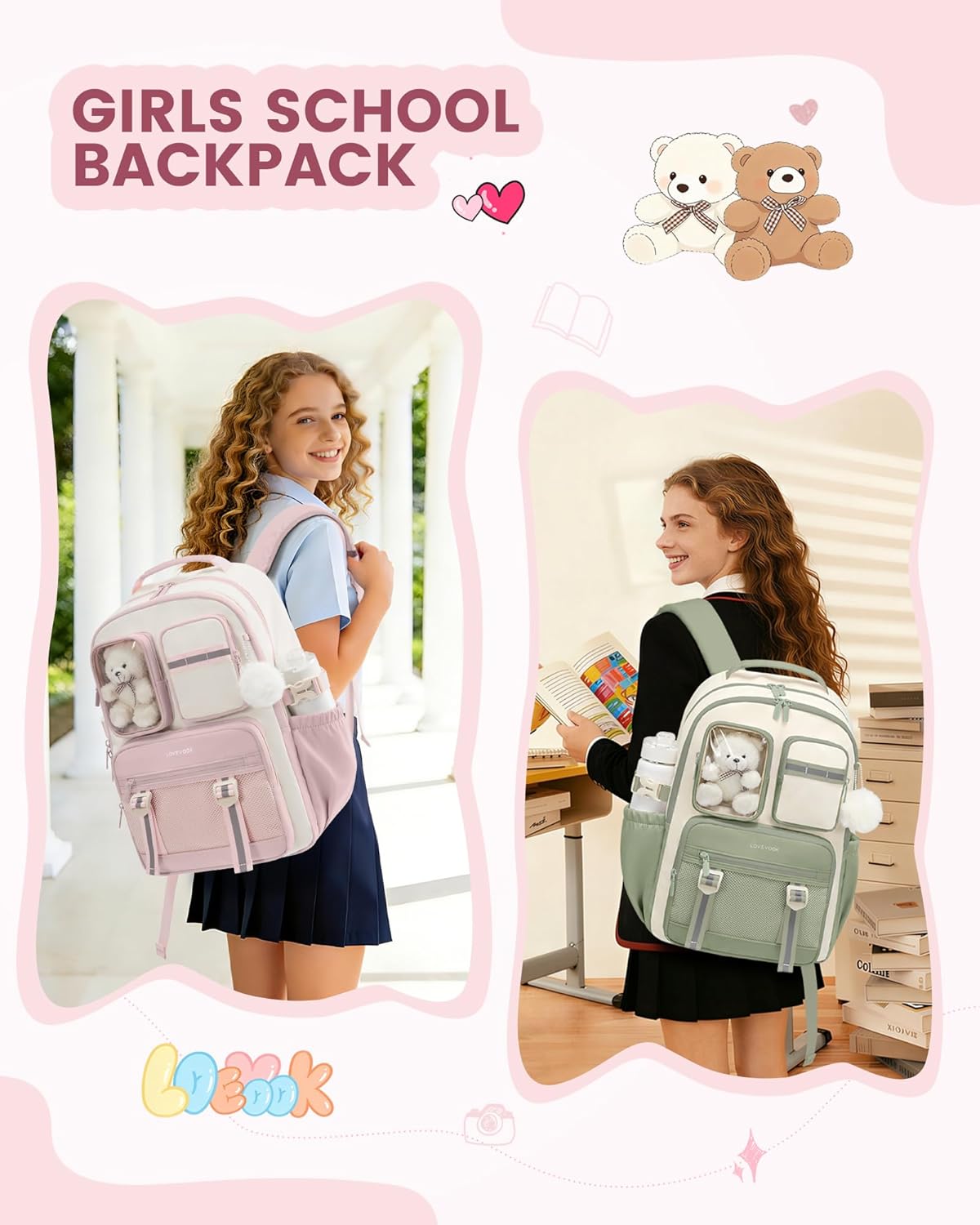
Look for a lightweight design, padded shoulder straps, a comfortable back panel, organized compartments, and enough room for books, stationery, and a lunch box.
Backpack capacity is usually measured in liters, while school and everyday bags are also commonly described by their dimensions. Think about the items you carry rather than choosing a bag based only on its appearance. A bag that is too small can be difficult to organize; an oversized bag may encourage you to carry unnecessary weight.
Backpack type
Typical use
What to consider
Small daypack
Essentials, short outings, light daily use
Compact size, easy-access pockets
School backpack
Books, notebooks, stationery, lunch
Book compartment, organizer pockets, comfortable straps
Laptop backpack
Work, study, commuting
Correct laptop sleeve dimensions and device padding
Travel backpack
Weekend trips and longer travel
Clothing capacity, secure pockets, comfortable carrying system
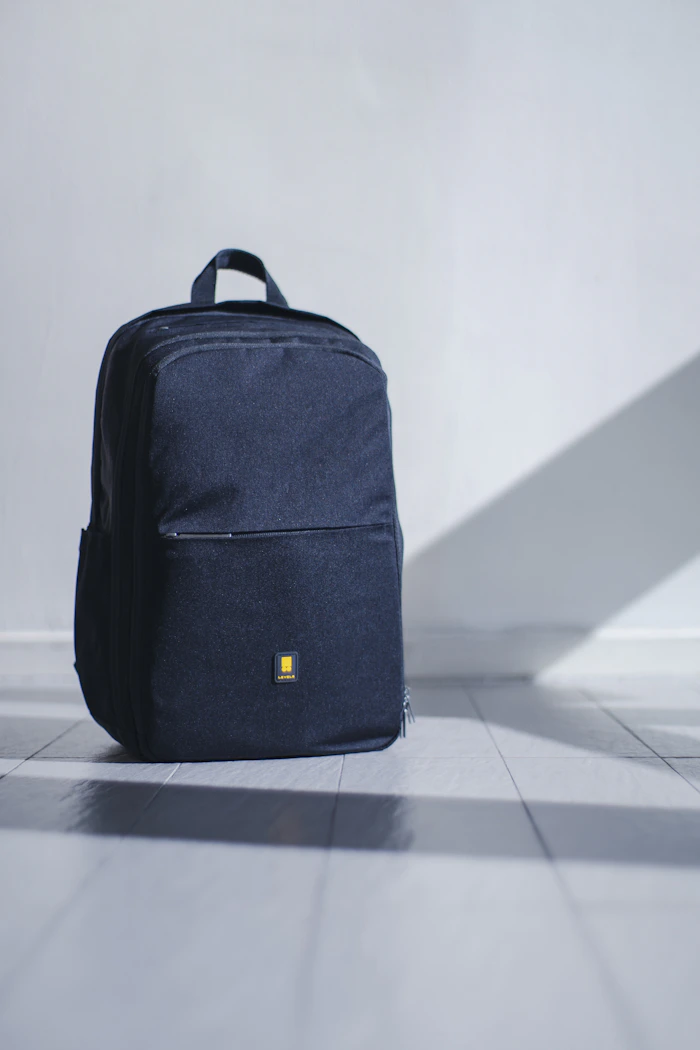
Measure your laptop before buying a laptop backpack; screen size alone does not tell you the exact outside dimensions of the device. For school use, check that books and folders fit without forcing the zipper closed. You can also browse the school backpack guide for more help comparing everyday school-bag options.
Check backpack fit, straps, and comfort
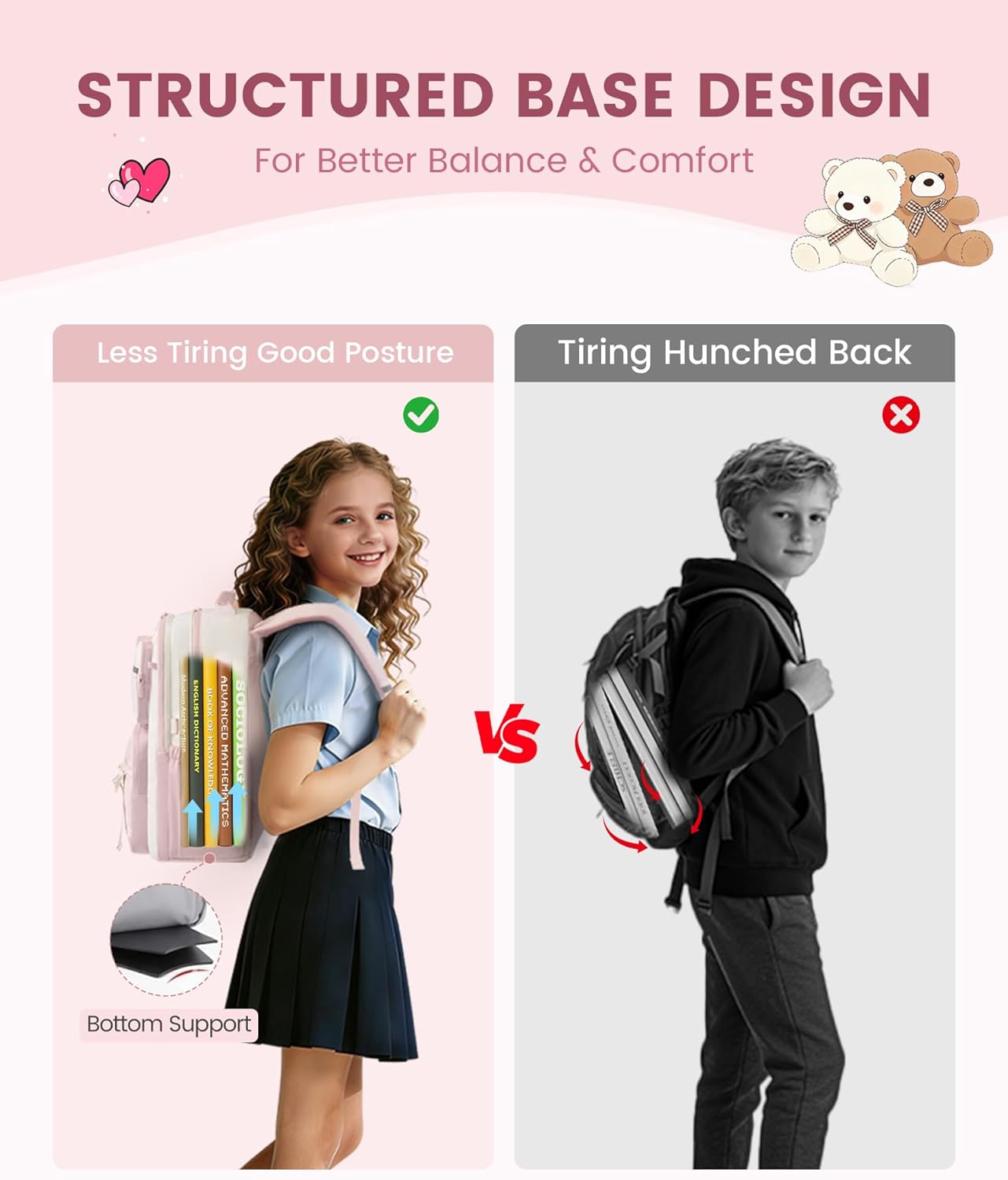
Comfort should be one of your top priorities. A backpack can look attractive but still feel uncomfortable when loaded. If possible, try it on with a few items inside and adjust the straps before deciding.
Choose two wide, adjustable shoulder straps that sit comfortably on your shoulders.
Look for a padded back panel that feels comfortable against your body.
Make sure the bag sits close to your back and does not swing excessively.
Check that the backpack is not too wide or too long for the person carrying it.
For heavier loads, consider a suitable chest or waist strap.
Lift the loaded backpack carefully and check that you can walk comfortably.
Look for adjustable straps and a comfortable back panel.
The material affects how a backpack feels, how much it weighs, how well it handles everyday wear, and how easy it is to clean. Check the fabric, stitching, base, zippers, and seams instead of judging quality by appearance alone.
1
Polyester
Common in school and everyday backpacks. Check fabric thickness, stitching, and the quality of the finish.
2
Nylon
Often selected for its strength-to-weight balance. Different nylon fabrics vary, so compare the product specifications.
3
Canvas
Offers a classic appearance and can be suitable for casual use, though weight and water resistance depend on the fabric and treatment.
4
Water-resistant finishes
Useful for light splashes and changing weather, but water-resistant does not automatically mean fully waterproof.
Inspect zipper movement, reinforced stress points, shoulder-strap stitching, and the bottom panel. If you regularly carry electronics, consider a padded device compartment and use a protective sleeve where appropriate.
Look for useful compartments and practical features
Good organization makes a backpack easier to use. Choose pockets according to the things you actually carry; too many compartments can add bulk without providing much benefit.
Main compartment: enough room for books, clothes, or daily essentials.
Laptop sleeve: padded and sized for your specific device.
Front organizer: useful for pens, keys, chargers, and small accessories.
Side pockets: convenient for a water bottle or umbrella.
Secure pocket: helpful for a wallet, travel documents, or other valuables.
Comfort details: padded straps, breathable back panel, and adjustable fittings.
Reflective details: can improve visibility when walking in low-light conditions.
Choose compartments that match the items you carry every day.
If you need a bag for warmer months or casual outings, see our guide to a summer backpack. For school essentials, you may also find our insulated water bottle guide useful when planning what to carry.
Which type of backpack should you choose?
Use this quick comparison to narrow down the style that best matches your daily routine.
Backpack style
Best for
Key feature to prioritize
Classic school backpack
School and college students
Lightweight construction and book organization
Laptop backpack
Office, university, commuting
Padded laptop compartment
Travel backpack
Trips and holidays
Capacity, comfort, and secure storage
Compact everyday backpack
Errands and daily essentials
Simple layout and easy access
Rolling backpack
Some users carrying heavier items
Wheel quality and suitability for stairs and crowded spaces
✓ What to prioritize
A comfortable fit
Appropriate capacity
Durable fabric and stitching
Useful, well-placed compartments
× Common buying mistakes
Choosing style over comfort
Buying a bag that is too large
Ignoring laptop or folder dimensions
Overlooking zippers and stitching
Backpack buying checklist: what to check before you buy
Before placing your order or leaving the store, use this checklist to make a more confident decision.
Does the backpack suit its intended purpose?
Can it hold everything you need without being oversized?
Are the shoulder straps adjustable and comfortable?
Does the back panel feel supportive?
Are the fabric, seams, base, and zippers well finished?
Are the compartments useful for your everyday items?
Does the laptop sleeve fit your device, if needed?
Is the price reasonable for the quality and features?
Does the seller provide clear return, warranty, or care information?
Ready to find your next backpack?
Compare styles and choose a backpack that fits your routine, your essentials, and your comfort needs.
How to choose a backpack: frequently asked questions
What is the most important thing to consider when choosing a backpack?
Start with the purpose and fit. Choose a backpack with enough capacity for your essentials, comfortable adjustable straps, suitable compartments, and durable construction.
How do I choose the right backpack size?
List the items you carry and check the backpack’s dimensions and capacity. Students should make sure books and folders fit, while laptop users should compare the device’s actual dimensions with the sleeve measurements.
Which material is best for a backpack?
There is no single best material for every use. Compare polyester, nylon, and canvas based on weight, durability, care requirements, and the conditions in which you will use the bag.
What features make a school backpack comfortable?
Look for two adjustable shoulder straps, a padded back panel, an appropriate size, and compartments that help organize books and supplies. The bag should fit the student rather than hang too low or feel excessively wide.
Should I buy a backpack with a laptop compartment?
If you regularly carry a laptop or tablet, a dedicated padded compartment can help keep the device separate from books and other belongings. Always check the compartment dimensions before buying.
Are water-resistant backpacks waterproof?
No. Water-resistant materials can help protect against light moisture, but seams, zippers, and openings may still allow water inside. Use a rain cover or waterproof protective pouch when stronger protection is needed.
How can I make a school backpack safer to carry?
Choose a suitable size, use both shoulder straps, adjust the bag so it sits close to the back, and carry only necessary items. See the AAP backpack safety guide for more advice.
Sustainable stationery that works harder, wastes less
Discover practical sustainable stationery for classrooms, desks, and creative projects. Compare recycled notebooks, refillable pens, plastic-free pencils, and responsible everyday supplies.
Affiliate disclosure: qualifying purchases through product links may earn Kids & School a commission, at no additional cost.
QUICK ANSWER
What is sustainable stationery?
Sustainable stationery uses recycled, renewable, refillable, or responsibly sourced materials while remaining durable enough for everyday writing, planning, learning, and creative work. Strong options reduce disposable plastic, avoid unnecessary packaging, and last longer through refills or reuse.
Fast decisions
Quick picks: useful eco-friendly desk essentials
These categories suit a broad range of school and home-office needs. Product claims, materials, and packaging can change, so confirm each listing before purchase.
BEST NOTEBOOK
Recycled-paper notebook
Choose sturdy recycled pages, a minimal cover, and a format that suits daily notes.
What makes sustainable stationery a smarter choice?
Sustainable stationery balances material choices with daily performance. A recycled notebook still needs paper that accepts ink cleanly. A refillable pen needs ink that flows reliably. A bamboo ruler needs markings that remain readable after months in a pencil case. Durability gives environmental claims practical value because replacement happens less often.
Look beyond a green label. Recycled content, Forest Stewardship Council certification, refill availability, plastic-free packaging, and clear material information offer more useful signals. A product does not need every credential to be a responsible choice. The strongest option fits the task, lasts through regular use, and avoids excess.
Helpful rule: Replace high-turnover disposable supplies first. Refillable pens, recycled notebooks, wooden pencils, and a reusable lunch-and-study kit make a realistic starting point.
Recycled paper reduces demand for virgin fiber.
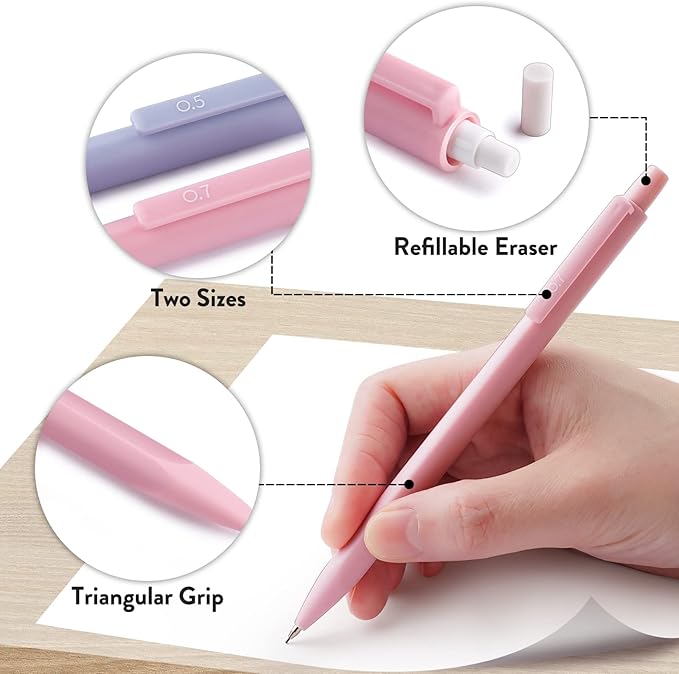
Refills extend the life of pens, markers, and mechanical pencils.
Durable tools cut down on emergency replacements.
Simple packaging reduces clutter and unnecessary material.
Multi-purpose items simplify a crowded study space.
Beautiful product cards for everyday sustainable stationery
Use product pages as a final check rather than a shortcut. Verify materials, refill compatibility, dimensions, and current pricing. The following examples highlight what to prioritize.
📓
★★★★★ Best for daily notes
Recycled-paper notebook
Prioritize recycled content, a durable binding, and a page weight suitable for preferred pens. A plain cover also makes labeling easier across classes or projects.
A refillable pen saves the barrel and grip while replacing only the spent ink cartridge. Select a widely available refill format for easier long-term use.
Material, lifespan, and convenience vary by category. This table helps separate the strongest use cases from supplies that may only suit occasional tasks.
Category
Best material signal
Best use
Replacement cycle
Notebook
Recycled or certified paper
Class notes, planning
When pages fill
Pen
Refillable barrel + available ink
Daily writing
Refill only
Pencil
Responsibly sourced wood
Sketching, schoolwork
When used down
Highlighter
Refillable or long-life format
Study and annotation
Replace ink/core
Desk organizer
Metal, recycled plastic, wood
Long-term storage
Multi-year
✓ Pros
Fewer disposable replacements
Clearer material choices
Durable tools improve daily organization
Refills can lower long-term cost
× Considerations
Upfront cost may run higher
Refills require compatibility checks
Material claims need verification
Local availability can vary
How to choose sustainable stationery for school or work
Start with the supplies that see the most use, then make gradual upgrades. A focused list protects the budget and prevents a pile of novelty items from becoming clutter.
1
Audit existing supplies
Use functional notebooks, folders, rulers, and pencil cases before replacing them. Reuse remains the most direct form of waste reduction.
2
Select one refill system
Choose a pen or mechanical pencil with easy-to-find refills. Keeping every refill format consistent makes restocking simpler.
3
Check paper and packaging
Favor recycled or responsibly sourced paper and packaging that avoids unnecessary plastic sleeves, trays, and extras.
4
Match the item to the task
Use waterproof markers only when a project requires them. Standard pencils and pens often meet everyday classroom needs.
5
Build a simple restock routine
Keep spare refills and loose paper in one place so a useful item stays in service rather than getting replaced early.
Some durable or refillable items cost more at first, but refill systems and longer lifespans can lower replacement spending over time. Comparing cost per use offers a clearer value picture.
What stationery items are easiest to switch first?
Recycled notebooks, wooden pencils, refillable pens, and reusable desk organizers offer accessible starting points because each replaces a familiar everyday item.
Are recycled-paper notebooks good for school?
Yes, when page weight and binding suit the intended pen type and note-taking routine. Product listings often identify recycled content and paper weight.
How can refill compatibility stay simple?
Select a common refill format and keep the model name with spare cartridges. Avoid mixing several proprietary systems unless each serves a distinct need.
Does plastic-free always mean more sustainable?
Not always. Durable design, responsible sourcing, useful lifespan, and appropriate materials matter alongside reduced plastic. The best choice avoids unnecessary replacement.