School Backpack 2026: The Ultimate Guide to Choosing the Best Backpack
Finding the right backpack for the 2026 school year demands attention to ergonomics, durability, and smart storage. This comprehensive guide covers every factor that matters.
Quick Answers: School Backpack 2026
Why the Right Backpack Matters in 2026
A school backpack serves as the daily companion for millions of students worldwide. In 2026, the demands placed on school bags have evolved significantly. Students now carry laptops, tablets, textbooks, water bottles, and personal items that require smart organization and strong support.
The American Academy of Pediatrics warns that improper bag selection can contribute to back pain, poor posture, and musculoskeletal strain in school-age children. Choosing the right backpack helps reduce these risks.
The Impact of a Poor Backpack Choice
- Shoulder and neck strain from unpadded straps
- Lower back pain from poor weight distribution
- Damaged electronics from inadequate padding
- Premature wear from low-quality materials
Key Features to Look for in a School Backpack
Ergonomic Design
Padded shoulder straps, a sternum strap, and lumbar support distribute weight more evenly across the body. Contoured back panels with mesh ventilation also help reduce heat buildup during warm weather.
Water-Resistant Material
600D polyester and Cordura nylon provide strong durability and water resistance. A coated inner lining adds extra protection for electronics and textbooks during unexpected rain.
Laptop Compartment
A dedicated padded sleeve that fits 13–15 inch devices keeps technology safer. The sleeve should sit close to the back panel for better weight distribution and impact protection.
Proper Capacity
Elementary students often need 15–20 liters, middle schoolers usually require 20–30 liters, and high school students benefit from 25–35 liters. Overpacking a small bag increases strain and speeds up material failure.
Additional Features Worth Considering
- Reflective strips or panels for visibility during early morning and evening commutes
- Side mesh pockets for water bottles and umbrellas
- Internal organizer pockets for pens, calculators, and small items
- Reinforced bottom panels to withstand daily floor contact
- Heavy-duty zippers that resist snagging
Top Backpack Picks for Every Age Group
Elementary School (Ages 5–10)
Young students need lightweight bags with simple compartments. Backpack width should not extend beyond the child’s shoulders, and the bottom should sit at the waist, not below the hips. Many parents choose personalized backpacks for kids to help elementary students identify their bags more easily and enjoy their school gear. You can also shop top-rated elementary backpacks to compare options that combine durability with fun designs.
Alt: Colorful backpack for elementary students
Middle School (Ages 11–13)
Middle schoolers usually carry heavier loads with multiple textbooks and often a tablet or Chromebook. A bag with 20–30 liter capacity, a padded tech sleeve, and compression straps can handle this stage effectively.
High School (Ages 14–18)
High school places the heaviest demands on a backpack. Full-size laptops, thicker textbooks, sports gear, and personal items require a 25–35 liter ergonomic bag with multiple compartments and strong support.
Pro Tip: Replace school bags every 2–3 years or sooner if straps start fraying, zippers fail, or the back panel loses its padding structure.
How to Choose the Perfect Backpack: Step-by-Step
Measure the Student’s Torso
Measure from the C7 vertebra, the bump at the base of the neck, down to the top of the hip bones. This measurement helps determine proper backpack length more accurately than overall height.
Assess Daily Carry Requirements
List the items a student typically carries on a normal school day, including textbooks, notebooks, a laptop or tablet, water bottle, lunch box, pencil case, and any extracurricular equipment.
Test Ergonomic Features In-Store
Load the backpack with realistic daily items and wear it for several minutes. Adjust the shoulder straps, sternum strap, and hip belt. The bag should feel balanced without pulling backward.
Verify Material and Construction Quality
Check seam stitching, zipper strength, fabric durability, and base reinforcement. Strong construction improves comfort and extends the usable life of the bag.
Common Backpack Mistakes to Avoid
Buying Based on Style Alone
Trendy designs may sacrifice ergonomic support. Comfort and proper fit should come first, even when style is important.
Choosing Too Large a Bag
Oversized bags encourage overpacking. More space often means more unnecessary weight, which can increase strain on the shoulders and back.
Using Only One Strap
Carrying a backpack over one shoulder creates uneven weight distribution and may contribute to muscle imbalance over time.
Ignoring Weight Limits
The World Health Organization notes the importance of protecting adolescent musculoskeletal health during growth years.
Backpack Care and Maintenance Tips
Proper maintenance can extend backpack lifespan significantly. A well-cared-for bag may last several school years instead of only one.
- Monthly Cleaning: Wipe the exterior with a damp cloth and mild soap. Empty all pockets and shake out debris.
- Deep Wash: Hand wash with lukewarm water once or twice each year. Machine washing can damage padding and protective coatings.
- Zipper Maintenance: Use suitable zipper care methods to reduce jamming and wear.
- Proper Drying: Always air dry in a well-ventilated area. High heat can warp synthetic materials.
- Storage: Store backpacks upright in a cool, dry place during school breaks to help maintain shape.
Frequently Asked Questions
A good school backpack in 2026 should include padded adjustable straps, water-resistant material, a dedicated laptop compartment, and practical organization. It should also fit the student properly without hanging too low.
An empty school backpack should ideally weigh about 1 to 2 pounds. Lower empty weight helps keep the full load within a safer carrying range.
Rolling backpacks reduce shoulder strain but may be less practical on stairs, uneven ground, or in crowded hallways. Many students still benefit most from a properly fitted ergonomic backpack.
High school students generally do well with a 25–35 liter backpack that can hold a laptop, textbooks, notebooks, and daily essentials without becoming overstuffed.
Replace a school backpack every 2–3 years under typical use, or sooner if straps fray, zippers fail, seams split, or padding flattens.
Ready to Find the Perfect School Backpack?
Discover valuable resources for students, parents, and educators through our Blog, where you’ll find expert advice, product reviews, and back-to-school tips. Whether you’re searching for the perfect School Backpack in 2026, a stylish Backpack for Girls 2026, or versatile Liquid Chalk Markers for classrooms and creative projects, our guides help you make informed decisions. Educators can explore the best Backpack for Teachers 2026, while working professionals and college students may prefer a practical Backpack for School Women. Don’t miss our latest Kids Backpack Deals, including popular choices like the Amazon Basics Travel Laptop Backpack and fashionable Laptop Backpacks for Women.
From finding the Perfect Backpack for School to comparing the Best School Backpacks, our recommendations cover every student’s needs. Browse the latest Backpack for School 2026 trends, comfortable Backpacks for Summer, and useful accessories such as Kids Headphones for School. Parents can also explore durable Personalized Backpacks for Kids, eco-friendly Canvas Tote Bags, elegant Tote Bags for Women, and travel essentials like a TSA Laptop Backpack or the Best Snorkel Gear for Kids 2026.
Prepare for a successful school year with our complete collection of School Supplies 2026, including athletic-inspired options such as a Nike School Backpack and durable designs like a Backpack for School Boy. Stay hydrated with a 26 oz Insulated Water Bottle for Back to School and learn important safety practices through our guide to the School Crossing Sign. Teenagers can discover the Best Large Capacity Backpacks for Teens 2026, while families can find creative inspiration from the Best Kids Side Table Ideas 2026.
Younger students are covered too, with recommendations for a Girls Backpack for School, a reliable Backpack for School Kids, and a convenient Tote Bag for School. Parents can benefit from our comprehensive School Backpack Guide, explore the latest School Backpack 2026 trends, and compare top-rated Backpacks for Elementary School and the Best Backpack School 2026 selections. Complete your school shopping list with the Four Candies Cute Mechanical Pencil Set, discover a Must-Have Backpack for School 2026, and find the perfect Kindergarten Backpack 2026 for your child’s first school adventures.

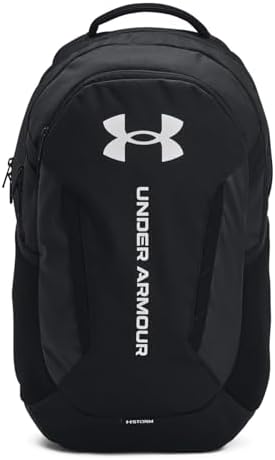
- Water-resistant UA Storm technology keeps your stuff dry
- Soft-to-the-touch top coat on material for added durability
- Secondary compartment can be dual-purposed as a shoe/laundry pocket

- THE MOST TRUSTED NAME IN BACKPACKS – Every JanSport comes with a lifetime warranty. Carry your JanSport with confidence,…
- THE ICONIC DESIGN – The Cool Student Backpack has our signature leather bottom, ergonomically constructed with S-curve s…
- RELIABLE BACKPACK – JanSport backpacks are made with durable fabric, zippers & straps in colors & designs to reflect you…