
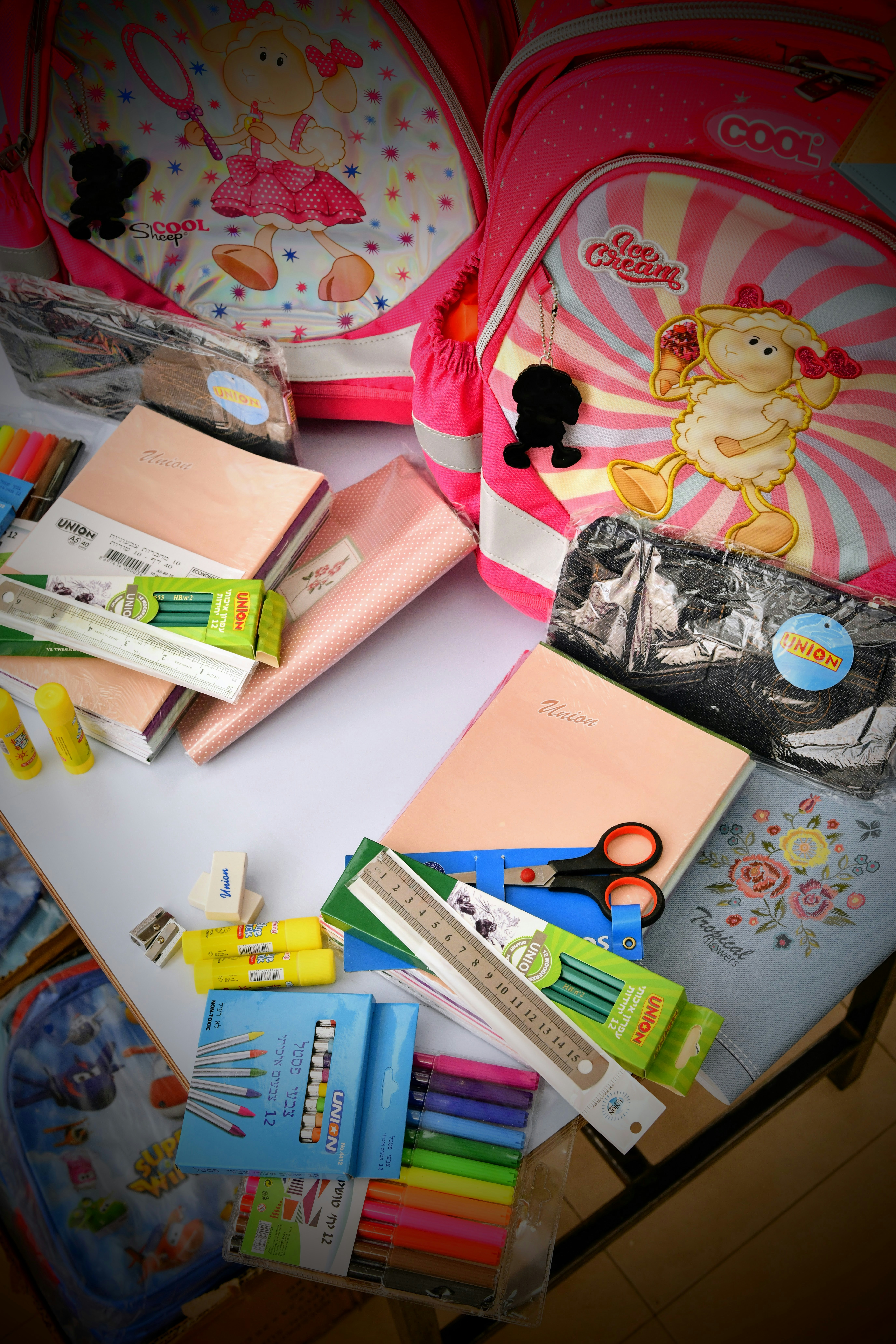
School Backpacks
Choosing the right backpack is a critical consideration for school students, as it significantly influences their daily routines, comfort, and overall organizational capabilities. A well-designed backpack not only helps in transporting books and supplies but also contributes to a student’s wellbeing. With the demands of academic life, students require a backpack that meets their functional needs while also providing comfort and ease of use.
The market today offers a diverse array of backpacks tailored specifically for school use. Students can choose from various styles, including those designed for elementary, middle, and high school students, each catering to different age groups and preferences. Features such as padded straps, adjustable fittings, and compartments for sorting materials are commonplace in many backpacks, which help to alleviate the physical strain associated with carrying heavy loads. Even more, ergonomic designs work to promote healthy posture and prevent back pain, making them essential for the everyday student.

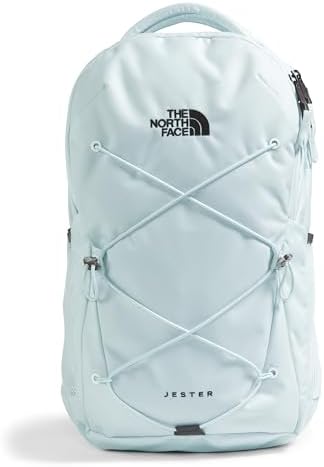
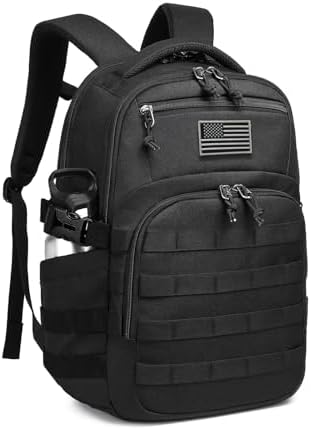
Furthermore, aesthetics play a vital role in backpack selection. Many students seek backpacks that reflect their personal style, opting for colors and designs that resonate with their personality. Whether it’s a classic canvas bag, a trendy graphic style, or a sporty design, the right backpack can also serve as a statement piece that highlights individuality. Keeping this balance between functionality and style is crucial, as it ultimately enhances the experience of school life.
In sum, the importance of selecting an appropriate backpack cannot be overstated. It is an essential accessory that helps students manage their academic responsibilities while maintaining comfort and organization throughout their school day.
When selecting a backpack for school students, several critical factors must be taken into account to ensure that the chosen bag meets the unique needs of its user. The first consideration is the size of the backpack. It should be large enough to accommodate school supplies like textbooks, notebooks, and personal items, yet not too bulky to cause unnecessary strain. A good rule of thumb is that the backpack should not exceed 15% of the student’s body weight to prevent health issues related to overloading.
The weight of the backpack itself is another essential factor. A lightweight backpack reduces the overall burden, especially for younger students who may have difficulty carrying heavier loads. Choosing materials that are lightweight yet durable helps maintain a practical weight without compromising on quality. Additionally, backpacks made from water-resistant materials can protect the contents from unexpected spills or rain, providing added security for educational materials.
Another important aspect is the material of the backpack. Look for backpacks made of high-quality, durable fabrics such as nylon or polyester. These materials offer robustness and longevity, essential for daily wear and the rigors of school life. Reinforced stitching and quality zippers also contribute to the backpack’s durability over time.
Lastly, the ergonomic features of a backpack play a significant role in promoting comfort and health. Features such as padded shoulder straps, adjustable straps, and back padding can help distribute weight evenly, reducing the risk of back pain. A design that promotes airflow between the back and the bag can also enhance comfort during extended periods of wear.
Overall, selecting the right backpack involves assessing these factors individually and together to ensure that the backpack chosen is functional, comfortable, and suits the student’s specific needs.
Types of Backpacks for School Students
When it comes to choosing a backpack for school students, several types can cater to various needs, each offering unique features. Understanding these types helps to make an informed decision that aligns with a student’s lifestyle and requirements.
Standard backpacks are the most commonly seen option, designed with two shoulder straps for easy carrying. Typically featuring a main compartment, these backpacks often include additional pockets for organizing school supplies, such as pens, calculators, and notebooks. They come in a range of sizes, colors, and styles, catering to individual preferences. The lightweight material used in standard backpacks ensures comfort, particularly for younger students who may struggle with heavier loads.
Wheeled backpacks represent another practical choice, especially for students who require the transport of heavier books and materials. These backpacks come equipped with wheels and a telescoping handle, allowing for easy maneuverability in busy school hallways or on public transport. Wheeled backpacks often combine the benefits of a traditional backpack with the ease of rolling luggage, making them an excellent option for older students with heavier academic loads.

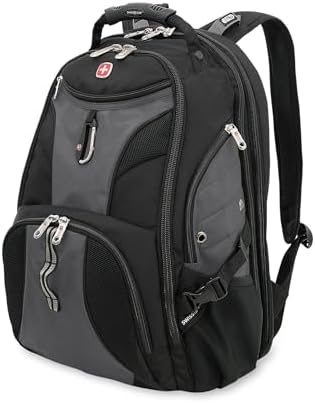

For students engaged in sports or tech-related activities, backpacks with additional compartments provide enhanced organization. Many contemporary models include padded sections for protecting laptops, tablets, or sports gear, making them ideal for those who need to balance academics and extracurricular activities. These backpacks often boast features like water-resistant materials and customizable straps for added functionality.
Ultimately, the type of backpack chosen should reflect the student’s individual needs, considering factors such as comfort, load capacity, and organizational features. Evaluating these aspects ensures that the perfect backpack is chosen for both school and personal use.
The Importance of Ergonomics in Backpacks
When selecting a backpack for school students, ergonomics should be a foremost consideration. The design of a backpack can significantly influence a student’s posture, comfort, and overall health. An ergonomic backpack is specifically engineered to reduce strain on the back and shoulders, addressing common issues associated with poor backpack design.
Padded straps play a crucial role in this ergonomic design. These straps should be wide and cushioned to distribute weight evenly across the shoulders, minimizing pressure points that can lead to pain. By choosing a backpack with adjustable straps, students can also customize the fit, ensuring that the weight is carried as close to the body as possible. This adjustment can aid in proper alignment and posture, reducing the risk of soreness and discomfort.
Additionally, incorporating a hip belt can further enhance ergonomic support. This feature helps to transfer some of the weight from the shoulders to the hips, which are more capable of handling heavier loads. When a backpack is worn correctly, the load should ideally be evenly distributed—meaning the bottom of the backpack should rest at the lower back, while the weight should not exceed 10-15% of the student’s body weight.
To optimize the benefits of an ergonomic backpack, it is essential to wear it correctly. The straps should be adjusted so the backpack fits snugly against the back. Students should avoid slinging backpacks over one shoulder, as this can lead to uneven weight distribution and muscle strain. Instead, both shoulder straps should be utilized to maintain balance. Regularly checking the backpack for weight and adjusting load placement can also help in reducing strain during daily use.
Stylish Backpacks for Teens and Tweens
For teens and tweens, the perfect backpack transcends mere functionality; it is also a critical fashion statement. As older students gain more autonomy over their personal style, choosing a backpack that reflects their individuality becomes essential. This age group is particularly influenced by current trends in fashion, making style a significant factor when selecting their school bags.
Trending designs for backpacks among this demographic include sleek silhouettes, vibrant colors, and eye-catching patterns. A mix of classic and contemporary styles appeals to a wide range of personalities. Brands like Herschel, Fjällräven, and JanSport lead the market with backpacks that combine aesthetic appeal with practicality. These brands consistently release new collections that resonate with younger audiences, featuring unique prints and color schemes that align with the latest trends.
Popular colors range from muted shades such as navy and olive to bold hues like neon pink and electric blue. Additionally, pastels have seen a resurgence, with soft tones like lavender and mint green becoming increasingly popular. These options allow students to express their personalities while also ensuring that their backpacks remain versatile enough to pair well with different outfits.
However, while style is undoubtedly important, it should not overshadow comfort and utility. Many trendy backpacks now include ergonomic designs that focus on support and ease of wear. Features like padded straps and back support are increasingly common, ensuring that students can lug their belongings without discomfort. Consequently, a stylish backpack should not only be an expression of personal taste but should also meet practical needs for everyday use.
Durability and Material Considerations
When selecting a backpack for school students, durability is a critical factor that cannot be overlooked. Given that a student’s backpack will likely endure daily wear and tear, the materials used in its construction play a significant role in its longevity. Various materials, including polyester, nylon, canvas, and leather, each have their own characteristics and suitability for different needs.
Polyester is a commonly used fabric in backpack manufacturing due to its lightweight properties and excellent resistance to environmental factors such as water and UV rays. Polyester backpacks often come in vibrant colors and various designs, appealing to young students. However, while their resistance to fading and mildew is noteworthy, they may not provide the same level of abrasion resistance as other materials.
Nylon is another popular choice, known for its exceptional strength and durability. Nylon backpacks can withstand heavy loads and rigorous daily use, making them ideal for older students or those who carry more substantial items. Additionally, nylon offers good resistance to water, which can help protect the contents from sudden rain showers. Nevertheless, nylon can sometimes be heavier compared to polyester, and it may not be as budget-friendly.
Canvas, traditionally used in diary bags, has seen a resurgence in popularity due to its vintage aesthetics. Cotton canvas is durable and breathable but may require more care to maintain its appearance over time. While canvas can handle normal usage well, it may not be the best choice for students who need a waterproof option.
Lastly, leather backpacks exude a sense of sophistication and can last for years if cared for properly. However, the higher price point and the need for regular maintenance may deter some users. Understanding the benefits and drawbacks of these materials can assist parents and students in making an informed decision when choosing a durable backpack that meets individual requirements.
Budget-Friendly Options
Finding the perfect backpack for school students on a budget can be a daunting task, but it is possible with the right approach. First, it is crucial to explore various retail options that offer quality backpacks at an affordable price. Retailers such as Target, Walmart, and local department stores often have a selection of reliable backpacks designed specifically for students. These stores frequently run promotions and sales events around back-to-school seasons, providing excellent opportunities for savvy shoppers to secure high-quality backpacks at reduced prices.
Additionally, popular brands like JanSport, adidas, and High Sierra often feature budget-friendly choices that maintain durability and functionality. Many of these brands provide student discounts or are included in sales during specific times of the year. Therefore, keeping an eye on local advertisements or signing up for newsletters can keep parents informed about upcoming promotions or sales events.
Another effective strategy is to take advantage of online shopping platforms such as Amazon. Here, you can find a wide range of backpacks, often accompanied by user reviews and ratings, which aid in the decision-making process. Look for options with a high rating but a lower price point; this ensures quality without overspending. Additionally, second-hand stores or thrift shops can also be treasure troves for discovering well-maintained backpacks that can easily fulfill the needs of a school student.
To maximize value while avoiding unnecessary expenditures, it is advisable to select a backpack that fits the specific needs of the student. Consider factors like size, compartments for organization, and comfort features such as padded straps. In doing so, parents can ensure they choose a backpack that not only meets their budget but also withstands the demands of a school year.
Accessories for Enhancing Backpack Functionality
When considering the multifaceted needs of school students, the selection of the right backpack can be greatly augmented with appropriate accessories. These accessories are not merely additions but essential enhancers that significantly elevate the overall utility of a backpack. Among the various options available, laptop sleeves, hydration packs, and organizational inserts stand out as particularly beneficial.
A laptop sleeve is an invaluable accessory for students who require a device for research, coursework, and communication. Designed to provide a snug fit, these sleeves protect laptops from damage while allowing easy access to this essential technology. With many backpacks incorporating dedicated compartments for these sleeves, students can carry their laptops securely without compromising the backpack’s structure.
Hydration packs, on the other hand, cater to the physical well-being of students. Staying hydrated throughout the school day is crucial for maintaining focus and energy levels. Many backpacks now offer compatibility with hydration systems, allowing students to carry water discreetly and conveniently. These packs typically feature a bladder and tube system, providing easy access to hydration during classes or extracurricular activities without the need for frequent trips to a water fountain.
In addition to these practical solutions, organizational inserts serve as another functional enhancement. These inserts help manage the chaos often found within backpacks by offering tailored compartments for school supplies, notebooks, and personal items. By utilizing organizational inserts, students can quickly find and retrieve their belongings, fostering an environment conducive to learning and productivity.
By incorporating laptop sleeves, hydration packs, and organizational inserts, students can optimize their backpack for a more organized and efficient school experience. The right accessories not only boost functionality but also contribute to students’ overall satisfaction and effectiveness as they navigate their educational journeys.
Care and Maintenance of Backpacks
Maintaining a backpack is vital to ensure its longevity and functionality for school students. Regular care can prevent wear and tear, thereby enhancing the overall experience for users. The first step in proper backpack maintenance is to regularly clean it. Depending on the material, many backpacks can be spot-cleaned with a mild soap solution and a damp cloth. For deeper cleaning, many manufacturers recommend hand-washing with a gentle detergent, while others may be machine washable. Always consult the care label for specific instructions to avoid damage.
It is also essential to pay attention to the zippers, straps, and buckles of the backpack. Ensure that they are functioning well and that no loose threads or frayed areas are present. For zippers, a light application of zipper lubricant can prevent snagging and sticking, while straps should be adjusted and checked regularly for signs of wear. If you notice any weaknesses, consider reinforcing them with additional sewing or fabric patches, which can effectively extend the life of the backpack.
When not in use, store the backpack in a cool, dry place to prevent mildew and odor build-up. Avoid overloading it, as too much weight can lead to strain and deformation. Using a packing system can also help maintain the shape and structure, allowing for even weight distribution and preventing excessive pressure on any one area.
Finally, consider investing in a backpack cover or rain protector to shield against weather elements. This measure not only protects the exterior fabric but also preserves contents from moisture and potential damage. By following these recommended care and maintenance strategies, students can enjoy their backpacks for years to come, maximizing their investment in quality school gear.