Kindergarten Backpack 2026
Your complete guide to finding the perfect kindergarten backpack for 2026. Lightweight, fun, and durable options designed for little learners. Expert recommendations and buying tips inside.
Quick Answers: Kindergarten Backpack 2026
- What is the best kindergarten backpack for 2026?
- The best kindergarten backpack for 2026 is lightweight (under 1 lb), has fun age-appropriate designs, adjustable padded straps, and fits a 5-7 year old’s small frame. Look for durable water-resistant material and simple compartments that little hands can easily open and close.
- What size backpack does a kindergartener need?
- A kindergarten backpack should be 10–15 liters in capacity. The bag width shouldn’t extend beyond the child’s shoulders, and the bottom should sit at or slightly above the waist. This small, appropriately-sized bag prevents overpacking and reduces strain on young shoulders.
Why the Right Kindergarten Backpack Matters
A kindergarten backpack is your child’s first independent connection to school. Unlike older students, kindergarteners need backpacks that are specifically designed for their small frames, developing posture, and emerging independence. The right bag builds confidence while protecting their growing bodies from unnecessary strain.
Young children spend hours at school each day carrying supplies, snacks, and artwork home. Choosing an appropriately-sized, lightweight backpack prevents shoulder and back strain during these formative years when their spines are still developing. The American Academy of Pediatrics emphasizes early backpack selection as crucial for preventing long-term posture problems.
Why Kindergarten Backpacks Are Different
- Must fit a 5-7 year old’s small frame without extending past shoulders
- Need simple compartments that little hands can open and close independently
- Should weigh less than 1 pound empty to prevent unnecessary strain
- Feature fun, engaging designs that make school exciting for young learners
A well-chosen kindergarten backpack supports independence, comfort, and the joy of starting school. It’s an investment in your child’s health and enthusiasm for learning.
Key Features for Kindergarten Backpacks
Lightweight Design
Kindergarten backpacks should weigh under 1 pound (0.5 kg) when empty. This leaves room for books and supplies without overwhelming a young child’s developing shoulders and spine.
Water-Resistant Material
Durable polyester or nylon with water-resistant coating protects books, artwork, and snacks from rain and spills. Easy-to-clean surfaces withstand daily wear and messy pockets.
Easy-to-Use Closures
Simple velcro or magnetic closures that a kindergartener can open and close independently. Avoid complex zippers that young fingers struggle with.
Fun, Age-Appropriate Design
Bright colors, friendly characters, and playful patterns make school exciting. A backpack your child loves encourages independence and builds confidence.
Additional Features to Consider
- Reflective strips or bright colors for visibility during morning and afternoon commutes
- Small side pockets for a water bottle or snack container
- Name tag or label area so your child’s bag won’t get lost
- Padded straps for comfort, even for small shoulders
- Reinforced stitching and quality materials for durability through multiple school years
Best Kindergarten Backpack Picks for 2026
The best kindergarten backpacks combine lightweight construction with durability and fun designs. In 2026, you have excellent options that prioritize comfort for young shoulders while featuring engaging characters and colors that make school exciting.
What Makes a Great Kindergarten Pick
The ideal kindergarten backpack weighs less than 1 pound, fits snugly on your child’s frame, features simple closures, and includes fun designs that excite your child about school. Many top 2026 options include reflective strips for safety and water-resistant materials that protect books and artwork.
How to Choose the Perfect Kindergarten Backpack
- 1
Measure Your Child’s Torso and Shoulders
Measure from the C7 vertebra (bump at base of neck) to the hip bones, and check shoulder width. The backpack should not extend beyond the shoulders and should sit at or slightly above the waist.
- 2
List Daily School Needs
Consider what your kindergartener carries: lunch box, water bottle, a few books, artwork folder, and snacks. Most kindergarten needs fit in 10–15 liters.
- 3
Have Your Child Try It On
Load the backpack with items similar to what they’ll carry daily. Have your child wear it for 5–10 minutes to ensure straps are comfortable and the bag feels balanced.
- 4
Test Ease-of-Use Features
Make sure your kindergartener can open and close closures, adjust straps, and access compartments independently. This builds confidence and independence.
- 5
Check Quality and Durability
Look for double-stitched seams, quality zippers or closures, reinforced bottoms, and durable materials. These details ensure the backpack survives multiple school years.
Common Backpack Mistakes for Young Children
Buying Too Large a Bag
A backpack larger than 15–20 liters tempts children to overpack and encourages poor posture. A properly-sized 10–15 liter bag fills naturally with daily items.
Choosing Complex Closures
Complicated zippers or fasteners frustrate young learners. Simple velcro, magnetic closures, or easy-pull zippers build independence and prevent daily struggles.
Ignoring Adjustable Straps
Fixed straps don’t grow with your child. Adjustable straps allow the backpack to fit properly as your kindergartener grows taller during the school year and beyond.
Prioritizing Style Over Function
While fun designs matter for a child’s enthusiasm, comfort and durability must come first. A backpack without padded straps or reinforced seams won’t survive the school year.
Not Considering Your Child’s Input
If a kindergartener loves their backpack, they’re more likely to use it properly and take care of it. Let them choose the design within your selected options.
Keeping Your Kindergarten Backpack in Great Shape
With proper care, a kindergarten backpack can be passed down to younger siblings or used for multiple school years. Regular maintenance prevents material damage and extends the lifespan significantly.
- Weekly Check: Empty all pockets each Friday and shake out crumbs and dirt. Check for any damage like loose threads or separated seams.
- Monthly Wipe-Down: Wipe the exterior with a damp cloth and mild soap. This keeps the material fresh and prevents stain buildup.
- Gentle Hand Washing: For deeper cleaning, hand wash with lukewarm water and mild detergent. Never machine wash — agitation damages stitching and materials.
- Air Dry Only: Always air dry in a well-ventilated area, away from direct heat or sunlight. Heat can warp plastic components and fade colors.
- Off-Season Storage: When not in use, store your child’s backpack upright in a cool, dry place. Stuff it lightly with tissue paper to maintain shape.
Frequently Asked Questions About Kindergarten Backpacks
Ready to Choose the Perfect Kindergarten Backpack?
Explore more resources on KidsNSchool to help your child start kindergarten with confidence and comfort. From school supplies to learning guides, we support every aspect of your child’s educational journey.
Explore KidsNSchool →
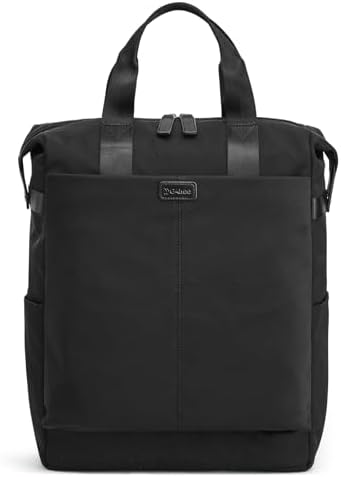
- Large Capacity: Measuring 17.3 × 5.5 × 13 inches, this large backpack is extra spacious with a wide opening to fit every…
- Premium Material: Crafted from premium polyester fabric with smooth zippers, this travel backpack is water-resistant and…
- Laptop Protection: This laptop backpack features a main zipper compartment with 2 slip pockets, a soft-lined zipper pock…
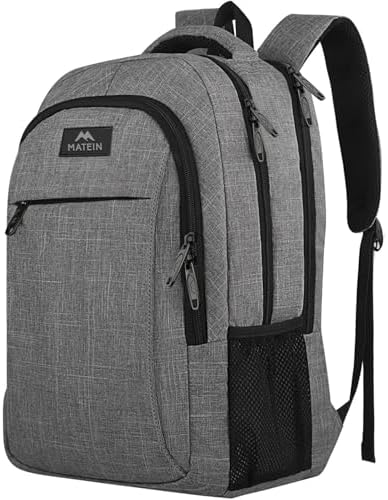
- LOTS OF STORAGE SPACE&POCKETS: One separate laptop compartment hold 15.6 Inch Laptop as well as 15 Inch,14 Inch and 13 I…
- COMPANY WITH YOU ANYWHERE: This backpack is Personal Item Backpack Size: 18*12*7.2 inch. Made for airlines travel and da…
- FUNCTIONAL & SAFE: A luggage strap allows backpack fit on luggage/suitcase, slide over the luggage upright handle tube f…